For website redesign planning with evolving search algorithms, user behaviour shifts and rising competition, a structured and SEO-focused approach is essential to ensure your website performs well both for users and search engines.
This guide walks you through how to plan your next website version strategically, while keeping SEO, UX and business growth at the core.
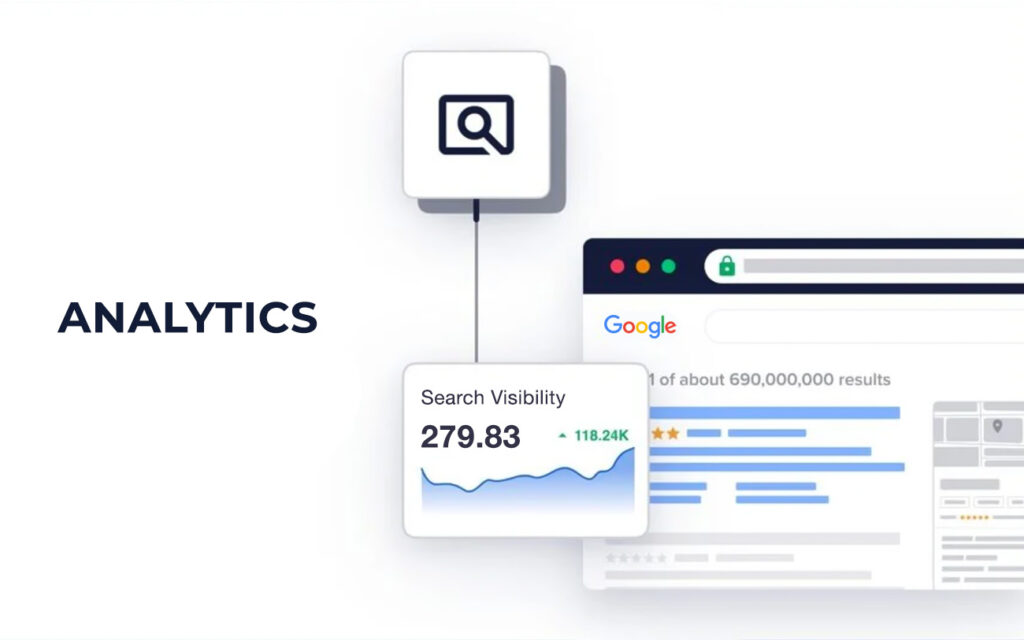
1. Analyse Your Current Website Performance (SEO + UX)
Before starting a redesign, conduct a full website audit. This ensures you don’t lose existing rankings or traffic.
Website Performance Analysis
Review key metrics using tools like GA4 and Search Console:
- Organic website traffic trends
- Conversion rate and goal completions
- Website Bounce rate and engagement time
- Top-performing pages
- Pages with declining traffic
This helps you decide:
- Which website pages to keep and improve
- Which pages need consolidation
- Which website pages should be removed or redirected during website redesign planning
Technical Website SEO Audit (Critical for 2026)
Search engines now heavily prioritize experience-based signals. Check for:
- Website Core Web Vitals (LCP, CLS, INP)
- Website Mobile usability issues
- Broken links and crawl errors
- Indexing and canonical issues
- HTTPS and security setup
Fixing technical issues early prevents ranking drops after launch.
Content Audit & Keyword Mapping
Audit your existing content to identify:
- Website Keyword cannibalization
- Outdated or thin content
- Pages ranking on page 2–3 that can be optimized
Map one primary keyword and supporting keywords per page to avoid overlap and strengthen topical authority.
2. Define User Intent & Map the User Journey
In 2026, SEO starts with user intent, not just keywords.
Understand Search Intent
For each core page, ask:
- Is the user looking for information?
- Are they comparing options?
- Are they ready to convert?
Your content structure should align with informational, navigational and transactional intent.
Map the User Journey
Create clear paths for:
- First-time visitors
- Returning users
- High-intent prospects
Each journey should answer:
- Where should users land on the website?
- What should they see next?
- What action should they take?
Use Behavioural Data & Feedback for Website Redesign Planning
Use tools like heatmaps, session recordings and feedback forms to identify:
- Drop-off points
- Confusing navigation
- Underperforming CTAs on the Website
Reducing friction directly improves rankings and conversions.
3. Set SEO-Driven Website Goals
Website redesign planning must have measurable SEO and business goals.
Examples:
- Increase organic traffic by 30% in 6 months
- Improve keyword rankings for high-intent pages
- Reduce Website page load time under 2 seconds
- Increase leads or enquiries from organic search
These goals will guide design, content and development decisions.
4. Plan Site Architecture & URL Structure
A well-structured website helps users and search engines.
Best practices:
- Flat site architecture (important pages within 2–3 clicks)
- Clean, keyword-friendly URLs
- Logical category and sub-category structure
- Clear internal linking paths
This improves website crawlability, indexation and topical authority.
5. Update Brand Identity & Trust Signals
Trust plays a major role in website conversions and rankings.
Ensure your website includes:
- Consistent brand colors, fonts and tone on the Website
- Clear value proposition above the fold
- Testimonials, reviews and case studies
- Certifications, awards and trust badges
- Transparent contact and business information
These elements improve E-E-A-T (Experience, Expertise, Authority, Trust) signals.
6. Competitor & SERP Analysis
Before finalizing design and content, study:
- Top-ranking competitors for your target keywords
- Content length, structure and headings
- Use of FAQs, schema, visuals and CTAs
Also explore related industries for inspiration in layout, storytelling and UX.
7. Content Strategy for the New Website
Content is the backbone of SEO success.
Create Content That Solves Problems
List the top 25–30 customer questions and ensure your website answers them clearly.
Include:
- Service pages with depth
- Educational blog content
- Comparison and use-case pages
- FAQs and resource sections
Optimize Content for 2026 SEO
- Use natural language and conversational tone
- Add semantic keywords and related terms
- Optimize headings (H1–H3) properly
- Include internal links within content
- Add FAQs with schema markup
Remember: visuals attract attention, but content builds trust and rankings.
8. Prepare for AI & Voice Search
Modern users search differently.
Optimize for:
- Conversational queries
- Long-tail and question-based keywords
- Featured snippets and AI summaries
- Clear, concise answers within content
This improves visibility across traditional and AI-powered search results.
FAQs
Most websites need a major update every 3 to 4 years, with continuous SEO and content optimization in between.
Yes – positively or negatively. Without proper website redesign planning, you may lose rankings. With SEO-first planning, redesigns often lead to traffic growth.
SEO should be integrated before, during, and after the redesign process.
Ignoring existing high-performing pages and not setting up proper redirects.
Typically 2–4 months, depending on competition, implementation quality, and content strength.
Digital Hive helps businesses future-proof their websites through strategic website redesign planning, modern design and performance-driven development. Our team evaluates your current website’s user experience, SEO performance, content structure, mobile responsiveness, conversion rates and technical health to identify improvement opportunities. We then create a roadmap for the next version of your website, incorporating the latest trends in UX/UI design, AI-ready content architecture, Core Web Vitals optimization, accessibility, security and conversion-focused functionality. Whether you need a corporate website, eCommerce platform, or custom web application, Digital Hive delivers scalable, SEO-friendly websites that support business growth and evolving customer expectations.