When users search for businesses or services in a specific local area. For example, if someone searches for “pizza restaurant near me,” the search engine will show a list of local pizza restaurants in their area.
By optimizing for local SEO, businesses can increase their visibility in these local search results, attract more targeted traffic to their website or physical location and ultimately drive more leads and sales. Local SEO is particularly important for businesses that serve a specific geographic area, such as brick-and-mortar stores, restaurants and service-based businesses like plumbers or electricians.
Local SEO involves a combination of on-page and off-page optimization techniques, including optimizing your website for local keywords, creating and optimizing your Google My Business profile, building citations and backlinks from local directories, creating localized content and ensuring your website is mobile-friendly and easy to navigate. To improve local SEO, start by optimizing your Google Business Profile, maintaining consistent business details (NAP), and collecting customer reviews—these are key ranking factors. You should also focus on local keyword targeting, creating location-based content, and ensuring your website is mobile-friendly, as many local searches happen on mobile devices.
Local SEO is essential for small businesses that rely on local customers to stay in business. By optimizing for local search, businesses can compete with larger brands and reach more customers in their local area. Additionally, since many people use their mobile devices to search for local businesses, mobile optimization is critical for local SEO success. By investing in local SEO, businesses can improve their visibility, attract more customers and ultimately grow their revenue.
Here are 5 ways to improve your local SEO:
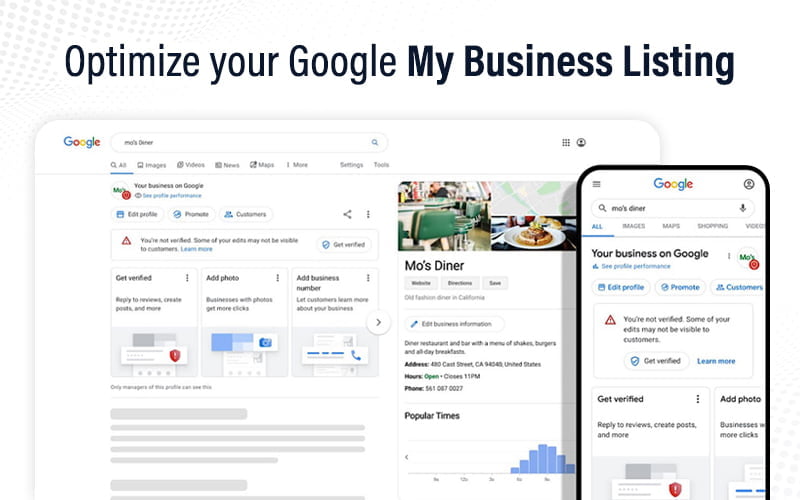
- Optimize your Google My Business listing: Claim and verify your Google My Business listing and ensure that all information, such as your business name, address and phone number, are accurate and consistent across all online directories. Also, add high-quality images and videos to your profile and encourage customers to leave reviews.
- Use location-specific keywords: Use location-specific keywords in your website’s content and meta tags to help search engines understand your location and improve your rankings in local search results. For example, use keywords such as “dentist in Boston” instead of “dentist.”
- Create localized content: Create content that is specific to your local area, such as blog posts or videos that showcase your products or services in your community. This can help you establish yourself as a local authority and increase your visibility in local search results.
- Build high-quality backlinks: Backlinks, or links from other websites to your site, can improve your search engine rankings. Focus on building high-quality backlinks from reputable websites that are relevant to your local area, such as local news websites or community blogs.
- Ensure mobile optimization: Mobile optimization is critical for local SEO, as many people use their mobile devices to search for local businesses. Make sure your website is mobile-friendly, with a responsive design that adapts to different screen sizes and load times that are optimized for mobile users.
In conclusion, improving your local SEO can help you attract more targeted traffic to your website and increase your chances of generating leads and sales. By optimizing your Google My Business listing, using location-specific keywords, creating localized content, building high-quality backlinks and ensuring mobile optimization, you can improve your visibility in local search results and attract more customers to your business. Works great for local service providers like Architects, Doctors, Hospitals and more. Check out, SEO for Architect website to get an idea of how SEO is used for generating business opportunities for different specialties.
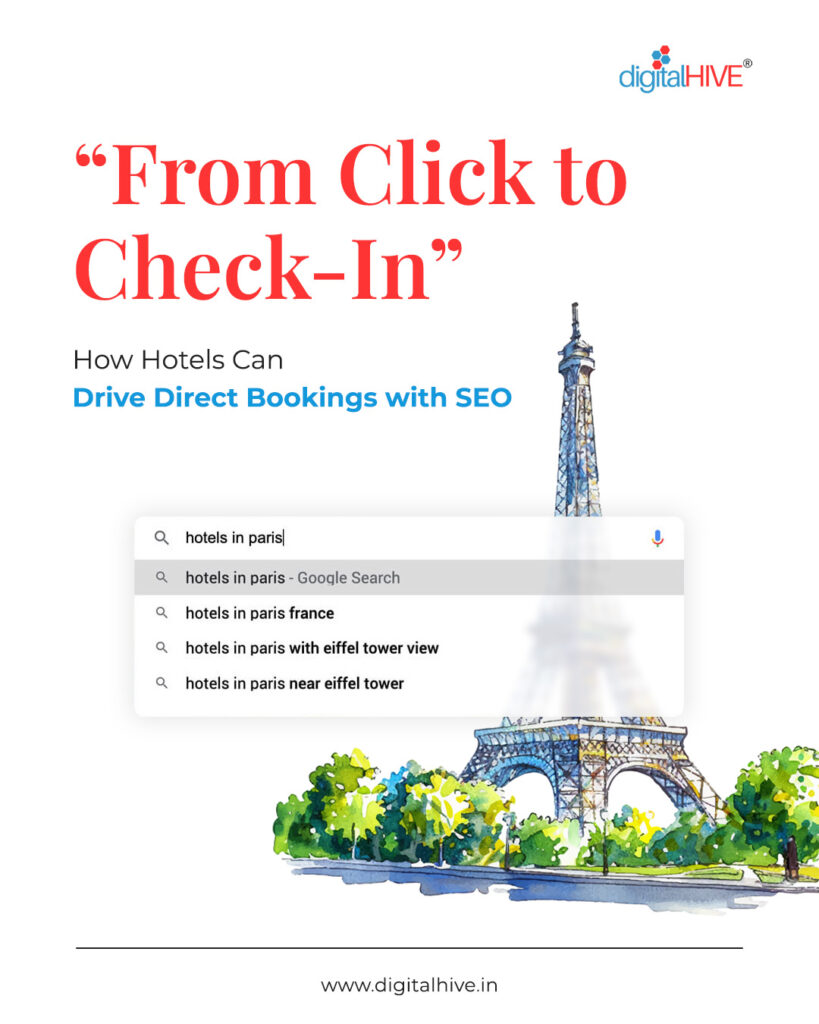
The same principle applies to the hospitality industry. The journey from a Google search to a hotel check-in starts with SEO. By leveraging local keywords, rich snippets (schema markup) and optimized guest reviews, hotels can drive more direct bookings and reduce their dependency on OTAs (Online Travel Agencies). A strong SEO strategy ensures your property appears right when potential guests are searching — turning clicks into confirmed reservations. Learn more about how SEO for Hotels can transform your hospitality business through targeted digital marketing, improved online visibility and a results-driven search engine optimization strategy.
FAQs
Local SEO helps businesses appear in search results for location-based queries, making it easier for nearby customers to find and contact them. It is essential for driving local traffic and increasing conversions.
A complete and updated profile with accurate details, photos and reviews improves visibility on Google Search and Maps, increasing your chances of ranking higher locally.
Using location-based keywords (like “near me” or city-specific terms) helps search engines understand your relevance for local searches and connect you with the right audience.
Positive reviews act as trust signals for both users and search engines, helping improve rankings and increasing the likelihood of customers choosing your business.
Consistent Name, Address and Phone Number (NAP) across all platforms ensures accuracy and helps search engines verify your business information.
Creating content relevant to your local audience—such as guides, blogs, or events improves engagement and boosts visibility in local search results.