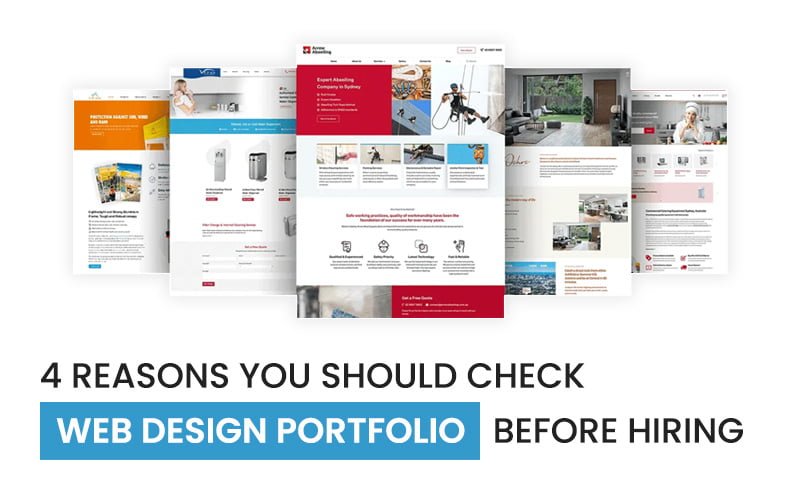
Are you planning to build a new website or redesign your existing one? Before you commit to any agency, reviewing their website design portfolio should be your first and most important step.
A website design portfolio is one of the most reliable ways to evaluate a designer’s true capabilities. It reflects visual style, problem-solving ability, technical performance, and the real results delivered to past clients far more than a sales pitch ever will.
Examining a website design portfolio helps you determine whether a designer’s previous work aligns with your business needs, target audience, and broader goals. Look beyond attractive layouts. Prioritize case studies, measurable outcomes, and user-focused designs that demonstrate a real understanding of how design drives engagement and conversions. Industry research from the Nielsen Norman Group on portfolio evaluation confirms that outcome-focused case studies are a stronger predictor of design quality than visual polish alone.
A strong website design portfolio also reveals consistency, creativity, and versatility qualities that show whether a designer can adapt to your brand identity and deliver results across different industries. Pay attention to the diversity of projects showcased, since it reflects how well the designer handles varying challenges and client expectations. The portfolio’s own user experience matters too: a well-structured, fast-loading, easy-to-navigate portfolio is a strong signal of attention to detail. Client testimonials and before-and-after comparisons add further proof of expertise.
When choosing a web design company, always check their web design portfolio before signing on. It functions as a digital calling card it says a lot about how the company actually works, not just how it markets itself.
Why Checking a Website Design Portfolio Before Hiring Matters
To learn about a company, most people look at its previous work and clients first. A website design portfolio lets you quickly form an opinion of potential design partners. While companies only reveal the work they want you to see, a savvy buyer can still learn a great deal from what’s on display.
1. Quality of Work
A website design portfolio gives you a clear sense of a company’s working style and whether it matches what you’re looking for. You can evaluate their level of experience and expertise by reviewing completed projects and the quality of execution across them.
Reviewing a portfolio also helps you understand a company’s design aesthetic whether their visual style fits what you want for your own website. This assessment matters because building a website is a real investment of time and money, and quality work is the only way to protect that investment.
2. Quantity of Work
A larger volume of completed projects in a website design portfolio usually signals a more experienced team, better equipped to understand and execute your requirements. A company with only two or three completed projects is unlikely to have the range needed to deliver a fully functional, polished website.
3. Types of Clients
Reviewing the range of clients featured in a website design portfolio from SMEs to large corporates helps you gauge whether the company understands businesses like yours. A design partner familiar with your niche is far more likely to deliver a site that actually fits your needs.
4. Range of Domains Covered
A good-looking website isn’t enough on its own; it also needs to load quickly and work well across devices. Check whether the company’s website design portfolio spans multiple domains, such as manufacturing, eCommerce, and service-based businesses, since that range indicates whether they can deliver the results your industry needs.
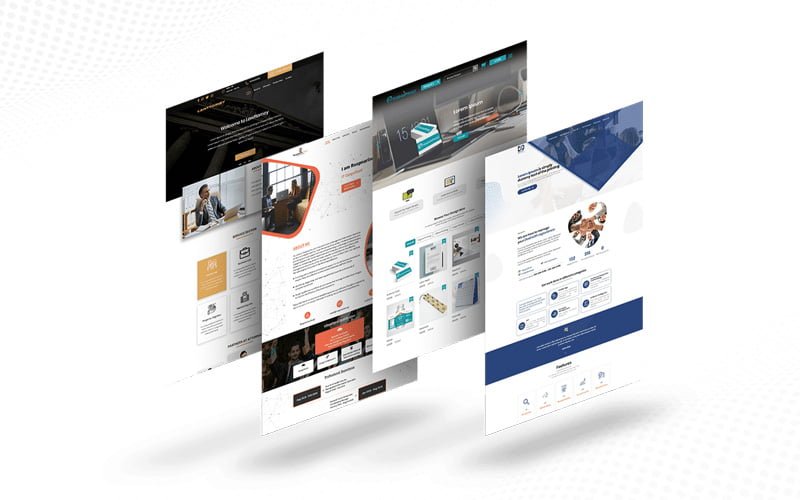
What to Look for When Reviewing a Website Design Portfolio
Use these questions to evaluate whether a company’s website design portfolio is worth your investment:
- Are the work samples current and relevant to your industry?
- Does the portfolio demonstrate a range of design abilities, not just one style?
- Are there success stories, case studies, or measurable outcomes included?
- Does the portfolio itself offer reliable, intuitive navigation?
With so many web designing companies to choose from, reviewing prior work is the clearest way to understand where a company actually stands regardless of how polished their sales pitch sounds.
FAQs
Checking a website design portfolio helps you evaluate the company’s design quality, creativity and expertise. It gives you a clear idea of whether their style and capabilities match your business needs.
A portfolio shows the company’s past projects, design approach and level of professionalism. It helps you understand their experience, technical skills and ability to deliver functional websites.
The quality of work in a portfolio reflects the company’s standards and expertise. High-quality designs indicate better user experience, professionalism and a higher chance of getting a successful website.
A company with a larger number of completed projects is usually more experienced and capable of handling different requirements. More projects also provide better insights into their consistency and reliability.
Looking at the types of clients (startups, SMEs, or large enterprises) helps you understand whether the company has experience in your industry and can meet your specific business needs.
A diverse portfolio shows that the company can work across different industries and website types. It indicates flexibility, adaptability and the ability to handle unique business challenges.
Yes, a portfolio not only shows visual design but also reflects technical aspects like responsiveness, site speed, navigation and overall performance, key factors for a successful website.
Digital Hive helps businesses by delivering high-quality, performance-driven websites backed by a strong portfolio of diverse projects. Team focuses on design, user experience, speed and SEO ensuring your website not only looks good but also generates leads and business growth.