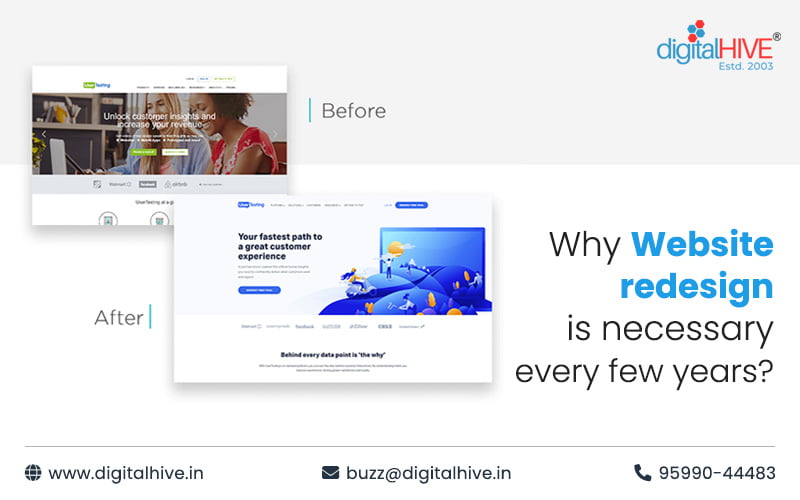
Website redesign is necessary every few years to keep up with evolving trends, technology and user expectations.
- Technological Advancements
New Technologies: As technology advances, new tools and platforms become available, offering improved performance, security and user experience. For example the concept of Responsive website design came up in the year 2010 and was all over the web world by 2012, but we still see that there are a lot of websites that are non-responsive even after so many years.
Compatibility: Older websites may not be compatible with new devices, browsers, or software updates, leading to functionality issues. In many cases the old commands get deprecated and the websites crash as the upgraded servers are unable to interpret their codes.
- Ever evolving User Expectations
User Experience (UX): Users are now used to intuitive, easy-to-navigate websites. Website Redesigning can help improve UX by incorporating the latest design principles and usability standards.
Mobile Optimization: With the increasing use of mobile devices, having a responsive, mobile-friendly design is crucial. A redesign ensures that the site works seamlessly across all screen sizes be it Mobile, Tab, Laptop or Desktop.
- SEO and Performance Improvements
SEO Updates: Search engine algorithms frequently change. A redesign allows the incorporation of the latest Search Engine Optimisation best practices, helping improve search rankings and thereby organic traffic.
Performance Enhancements: Speed and performance are critical for user retention and search rankings. A redesign can optimize site speed, improve load times and enhance overall performance.
- Branding and Aesthetics
Modern Design Trends: Design trends evolve over time. A dated design can make your business come across as unreliable or irrelevant.Sometimes it may give the impression of a defunct business. Redesigning keeps the site visually appealing and aligned with current trends.
Brand Refresh: As companies evolve, their branding may undergo certain changes, sometimes even an overhaul. Website redesigning ensures the website accurately reflects the current brand identity, messaging and values.
- Content and Functionality
Content Updates: Over time, the content on a website may become outdated or irrelevant. A redesign provides an opportunity to update content, improve content organization and add new features, functionalities and offerings.
Enhanced Features: Adding new features, such as interactive elements, multimedia content, or e-commerce capabilities can improve user engagement and meet changing business needs. Eg.: In today’s context, Whatsapp integration for lead generation is a feature that was not there on websites earlier but is a common practice now and its a great business enabler.
- Security Concerns
Improved Security: Older websites may have vulnerabilities that can be exploited by cyber threats. A redesign helps implement the latest security measures, protecting both the website and its users. For example, implementation of SSL is now mandatory else the website visitors will get to know that it’s an unsecured website. This would lead to high bounce rates and a subsequent dip in SERP rankings.
- Competitive Edge
Staying Competitive: To remain competitive, businesses need to offer the best possible online experience. A redesign helps stay ahead of competitors by incorporating the latest innovations and trends as this makes your business come across as tech savvy and with the times!
Periodic updating and redesigning a website is essential to ensure it remains relevant, functional, secure, visually appealing and aligned with current trends and user expectations. It’s a strategic investment that can significantly impact a business’s online presence and success.
FAQs
Website redesign is necessary to keep up with evolving technology, design trends and user expectations, ensuring your site remains modern, functional and competitive.
Most experts recommend redesigning a website every 2–3 years, depending on business growth, technology changes and performance metrics.
New technologies improve speed, security and functionality. Older websites may become incompatible with modern browsers or devices, making redesign essential.
User expectations evolve over time. A redesign helps create intuitive navigation, better usability and mobile-friendly layouts, improving engagement and conversions.
Redesigning allows you to implement updated SEO practices, improve site structure and enhance performance, which can boost search rankings and organic traffic.
Yes, an outdated design can make your business appear less trustworthy or inactive, while a modern website strengthens brand image and credibility.
Common signs include slow loading speed, poor mobile responsiveness, outdated design, low traffic and declining conversions.
A redesigned website improves performance, user experience and conversions, helping attract more visitors, generate leads and stay ahead of competitors.
Digital Hive helps businesses redesign their websites without disrupting performance, SEO rankings, or user experience. Our team begins with a comprehensive audit of your existing website, evaluating design, content, SEO, speed, mobile responsiveness and conversion opportunities. We then create a modern, user-friendly and SEO-optimized website that reflects your current brand, supports evolving customer expectations and leverages the latest web technologies. From UX/UI design and development to SEO migration, performance optimization and ongoing maintenance, Digital Hive ensures your redesigned website not only looks better but also delivers measurable improvements in traffic, engagement, and lead generation. Website redesigns are essential to keep pace with changing technology, user expectations, security requirements, and search engine best practices.