
If your website targets audiences across different countries or languages, one tiny mistake can cost you traffic, conversions, and rankings. That mistake? Ignoring hreflang tags.
Many businesses expand globally but forget that search engines need guidance to deliver the right content to the right audience. That’s where hreflang tags come in. They are one of the most powerful yet misunderstood elements of international SEO.
In this complete guide, we’ll break down hreflang tags in simple language—no complicated coding, no technical jargon. By the end, you’ll know exactly what they do, why they matter, and how proper hreflang implementation can transform your international website performance.
What Are Hreflang Tags?
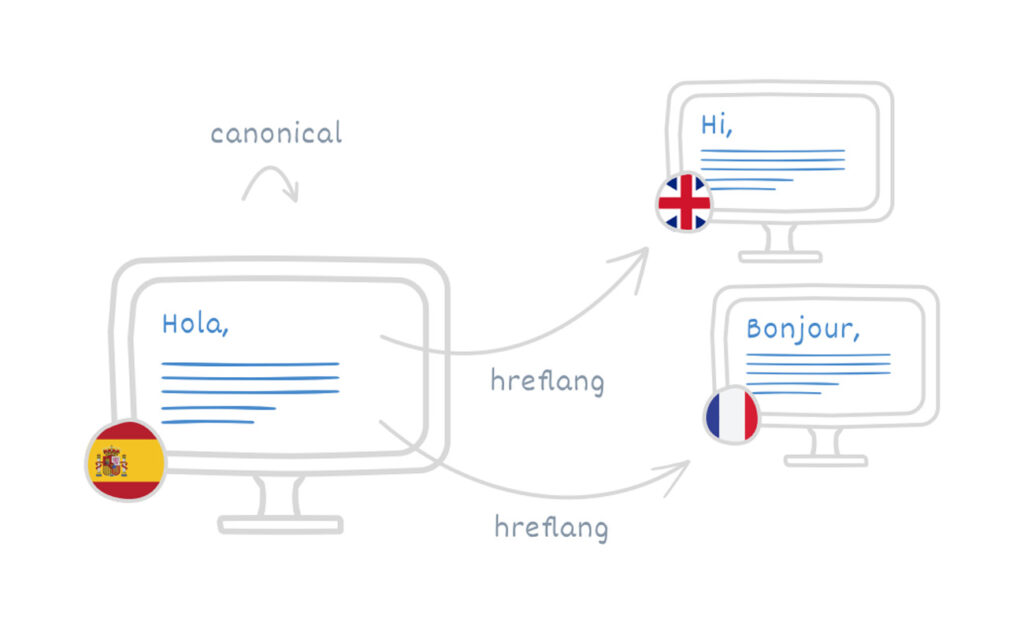
Hreflang tags are signals used by search engines to understand which language and country version of a webpage should be shown to a specific user.
It’s Google’s way of asking:
“Who is this page meant for—English-speaking users in India? Spanish speakers in Mexico? French speakers in Canada?”
When you guide search engines correctly, they deliver the correct version of your website to each audience. This improves:
- Visibility
- User experience
- Conversion rates
- Search ranking accuracy
In short, hreflang tags act like traffic lights for global content, directing users to the most relevant page.
Why Are Hreflang Tags Important?
Without proper international SEO tags, your website may confuse search engines, which leads to:
- The wrong language showing up in search results
- Duplicate content problems
- High bounce rates
- Missed international organic traffic
Imagine a user in Germany searching for your product but landing on your US English page. Not only is the experience frustrating, but you may also lose a potential sale.
Hreflang implementation helps fix this by ensuring every visitor lands on the version designed for their language and region.
How Hreflang Tags Improve User Experience
User experience is everything. When visitors see content in their preferred language and pricing in their currency, they feel understood and respected.
Here’s how hreflang tags enhance UX:
1. They Reduce Confusion
No more English pages showing up for Spanish-speaking users—or vice versa.
2. They Keep Visitors on Your Site Longer
People stay longer when they can read and understand the content.
3. They Increase Conversions
Localized content = higher trust = more purchases or inquiries.
4. They Strengthen Your Global Presence
Search engines reward websites that make it easy for users.
When Should You Use Hreflang Tags?
Not every website needs hreflang tags. You should use them only if you have:
-Multiple language versions
(e.g., English, French, Spanish versions of the same page)
-Country-specific content
(e.g., US English vs. UK English vs. Australia English)
-Localized pricing, offers, or services
(such as different shipping rules or taxes)
If your site serves a global audience with tailored content, hreflang implementation is essential.
Common Mistakes People Make With Hreflang Tags
Most errors occur not because hreflang tags are difficult, but because website owners don’t understand how they work.
Here are the biggest mistakes:
1. Missing Self-Referencing Tags
Each page must include a tag pointing to itself.
It tells Google, “Yes, I am the main version for this language.”
2. Incomplete Country or Language Codes
Google requires two-part codes for regional targeting.
For example, “en-in” is correct; “en-india” is not.
3. Not Creating a Return Tag
If Page A links to Page B, Page B must link back to Page A.
This ‘reciprocal rule’ is crucial for accuracy.
4. Using the Wrong Language Variation
English is not one-size-fits-all.
For example:
- US: en-us
- UK: en-gb
- India: en-in
5. Forgetting the x-default Tag
This is the fallback version for users who don’t match any language.
Avoid these mistakes, and your website will perform significantly better worldwide.
How Search Engines Use Hreflang Tags
Search engines use hreflang tags to:
- Identify the correct language
- Detect country-specific content
- Avoid treating similar pages as duplicates
- Display the most appropriate version in search results
Think of it as giving Google a map. Without this map, Google guesses—and guessing rarely works in your favour.
Do Hreflang Tags Affect SEO Rankings?
Yes—indirectly.
Hreflang tags themselves don’t boost rankings the way backlinks or quality content do.
But they improve:
- Relevance
- User engagement
- Session duration
- Conversion behaviour
These signals help search engines trust your site more, which contributes to better performance overall.
In other words, hreflang tags create the right environment for stronger rankings.
Best Practices for Hreflang Implementation
To make sure your hreflang setup works smoothly, follow these essential best practices:
-Use consistent language–country codes
Always follow ISO standards like “en-us”, “fr-ca”, “es-mx”.
-Make every version of a page reference all other versions
This builds a clear relationship between pages.
-Include a self-referencing tag
It reduces confusion and strengthens validation.
-Use x-default for global fallback
Perfect for homepages, landing pages, or region selectors.
-Keep your sitemap clean and updated
Search engines rely heavily on sitemaps for accuracy.
-Monitor regularly for errors
Tools like Google Search Console help you detect issues quickly.
With these best practices, your international SEO tags will function correctly and support global visibility.
How Hreflang Helps Avoid Duplicate Content Issues
When you translate your pages or create regional versions, many of these pages look similar.
Google may mistake them for duplicate content, which can harm your SEO.
Hreflang tags clarify that:
- These pages are intentionally similar
- Each version is meant for a different audience
- They should not compete with each other in rankings
This prevents content dilution and ensures each version shines in the correct market.
If your business wants to grow globally, hreflang tags are not optional—they are essential. Proper hreflang implementation ensures that search engines serve your content to the right audience based on their language and location. This improves user experience, reduces bounce rates, avoids duplicate content issues, and strengthens your overall SEO strategy.
By using international SEO tags wisely, you make your website more accessible, more relevant, and more successful across borders. And in today’s digital world, that’s exactly what helps you outrank competitors and build a powerful global presence.
If you want your international website to perform at its best, start optimizing with hreflang tags today—the world is waiting for you.
Tags: #DigitalMarketing, #hreflang, #hreflangtags, #internationalseo, #SearchEngineOptimization, #seostrategy, #TechnicalSEO